



Women Should Not Overlook These 5 Health Issues
20/11/2025 - 09:07:48 68 News
With countless responsibilities that women handle every day, from careers to family, personal health is often neglected. Some health issues cannot be ignored, as they can have significant and long-term impacts on a woman’s overall well-being.
Heart Disease: The Silent Killer in Women
Heart disease is often considered primarily a male issue, but it is a leading cause of death among women worldwide.
Signs of heart disease in women can be subtle and harder to recognize than in men, making the condition more dangerous. Women may experience symptoms such as fatigue, shortness of breath, or chest discomfort, which can be mistaken for less serious conditions.
Recognizing early warning signs of heart disease is extremely important. Unusual and persistent fatigue without a clear cause may indicate that your heart is under stress.
Additionally, shortness of breath or getting winded easily during activities that were previously effortless is a warning sign.
Finally, pay attention to any chest discomfort. Unlike the typical angina often associated with heart attacks in men, women may feel pressure or fullness in the chest, which can come and go.
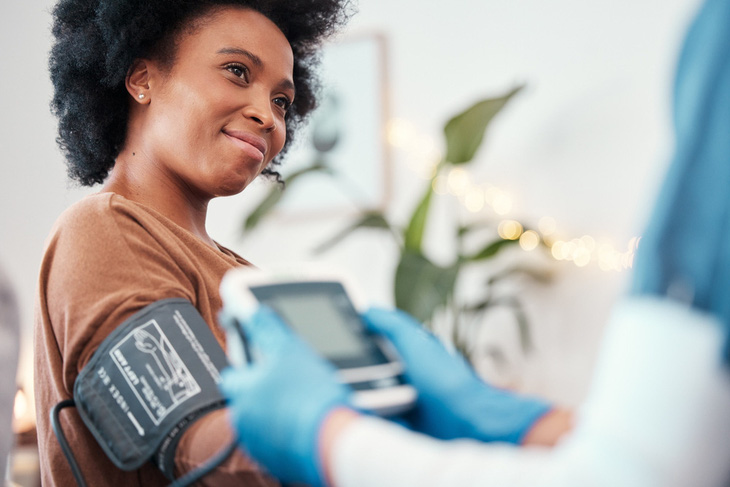
Women should prioritize cardiovascular health by staying active, maintaining a balanced diet, and regularly monitoring heart health.
Breast Cancer: Early Detection Saves Lives
Breast cancer is one of the most common cancers affecting women. While it is a serious diagnosis, early detection can significantly increase the chances of successful treatment. Regular self-exams and mammograms are essential tools for early detection of breast cancer.
Women over 40 should have annual mammograms, while those with a family history of breast cancer may need to start earlier. Early detection can prevent metastasis, allowing for more effective and less invasive treatment.
Being diagnosed with breast cancer can be shocking, but it is not the end. Emotional support from family, friends, and support groups can make a significant difference in coping with the challenges of treatment and recovery.
Many women find strength in their communities, sharing experiences and supporting each other throughout this journey.
Osteoporosis: Protect Your Bones
Osteoporosis is especially common in women, particularly after menopause, due to decreased estrogen levels that help maintain bone density.
Preventing osteoporosis starts with lifestyle choices. A diet rich in calcium and vitamin D, along with regular exercise, can help maintain strong bones. Women should also avoid smoking and limit alcohol consumption, as these factors can contribute to bone loss.
The consequences of osteoporosis can be life-changing. Fractures, especially in the hip or spine, can lead to long-term disability, loss of independence, and even premature death.
The emotional impact of chronic pain and reduced mobility can lead to depression and anxiety, making early preventive measures more important than ever.
Reproductive Health: More than just fertility
Reproductive health is not limited to fertility. Conditions such as endometriosis, polycystic ovary syndrome (PCOS), and uterine fibroids are common but often undiagnosed. These conditions can cause pain, irregular menstrual cycles, and impact overall health.
Chronic pain and hormonal imbalances associated with these conditions can lead to emotional stress and affect mental well-being.
Women experiencing these issues should seek medical advice and consider both medical interventions and lifestyle approaches to manage symptoms effectively.
Mental Health: Addressing Invisible Wounds
Depression, anxiety, and stress-related disorders are common in women, who often bear caregiving responsibilities alongside social pressures.
Mental health issues can manifest in many ways, including prolonged sadness or anxiety affecting daily activities and relationships, changes in sleep patterns such as insomnia or oversleeping, and loss of interest in activities—signs of depression.
Women should never feel ashamed to seek help for mental health concerns. Therapy, medication, and support groups are valuable resources.
Additionally, self-care practices such as regular exercise, mindfulness, and maintaining social connections can help manage stress and improve mental well-being.